01
Village Banks
Expand locally governed micro-credit throughout the rural Terai.
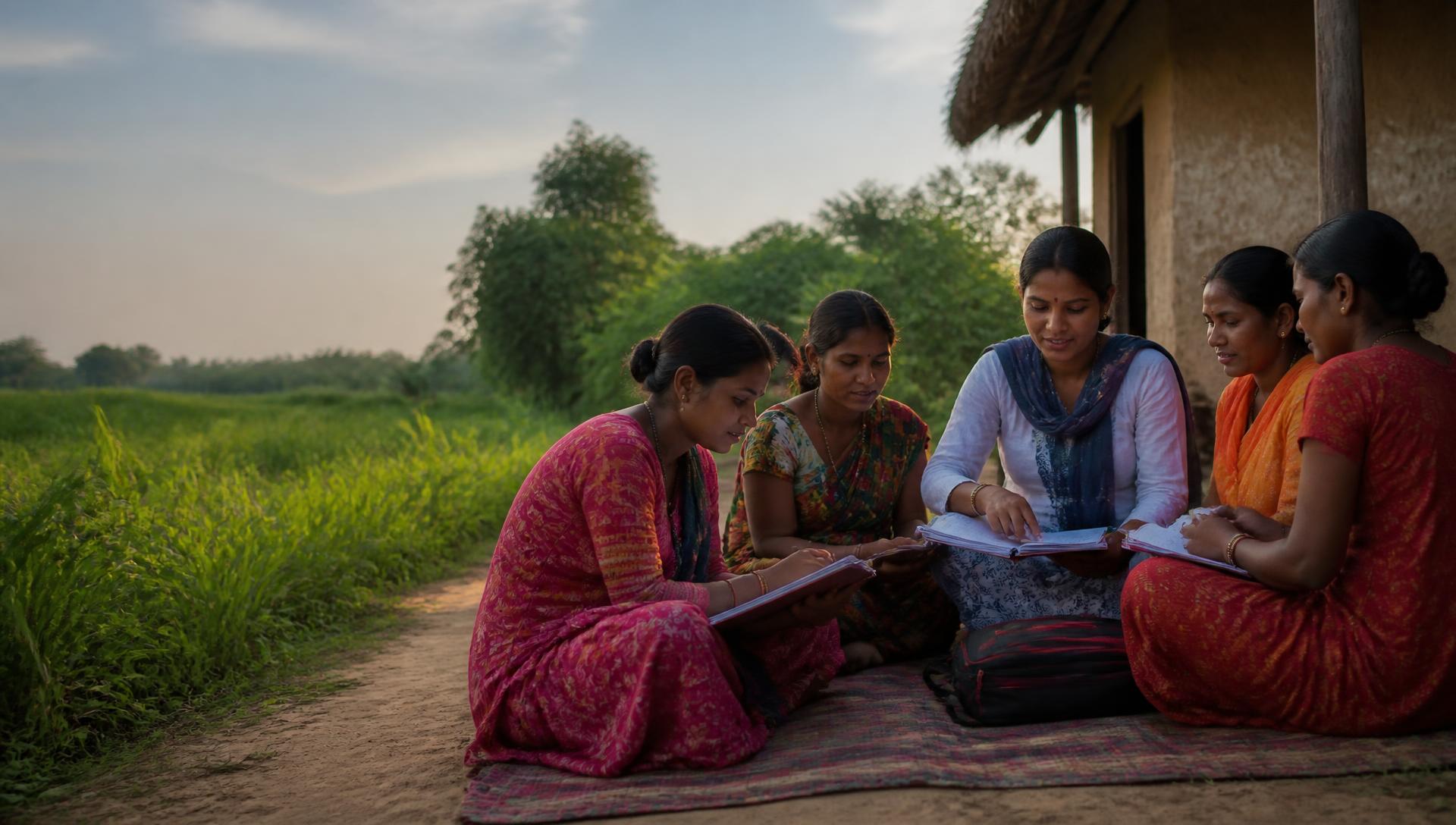
Established 1992 · Chitwan, Nepal
Indigenous-led education, opportunity, and sustainable development across Nepal’s Terai.
0+
Years of service
0
Terai districts
0+
Women educated
0+
Women’s groups
Who we are
Nepal Indigenous Development Society is a non-profit, non-political, and non-religious organization founded by Tharu Indigenous people. What began as a grassroots literacy initiative has grown into an integrated movement for dignity and self-reliance.
Our vision
“An educated and culturally sensitive Indigenous society in Chitwan.”
Our mission
“To make a sustainable and positive difference in the lives of disadvantaged people in Nepal.”
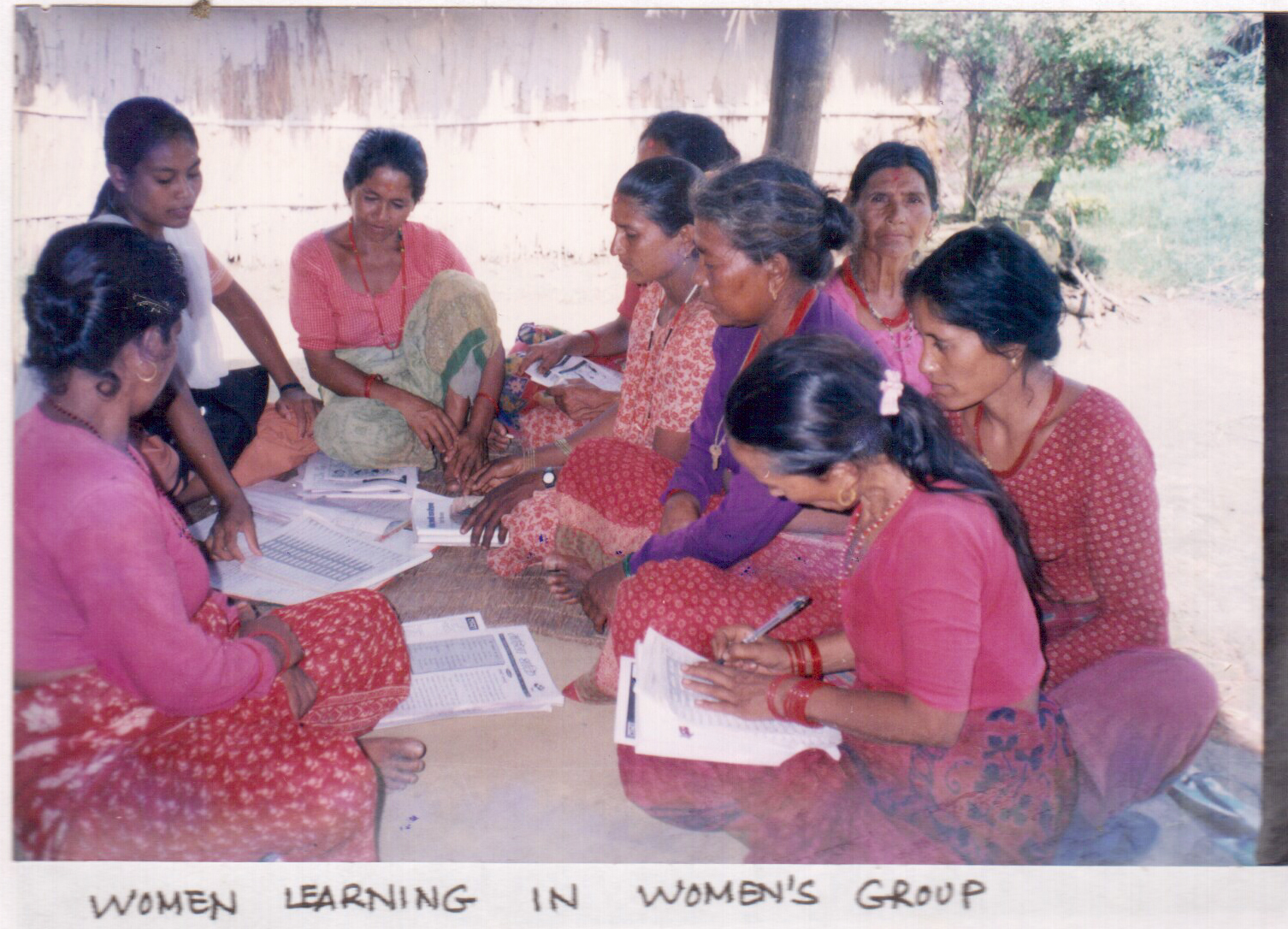
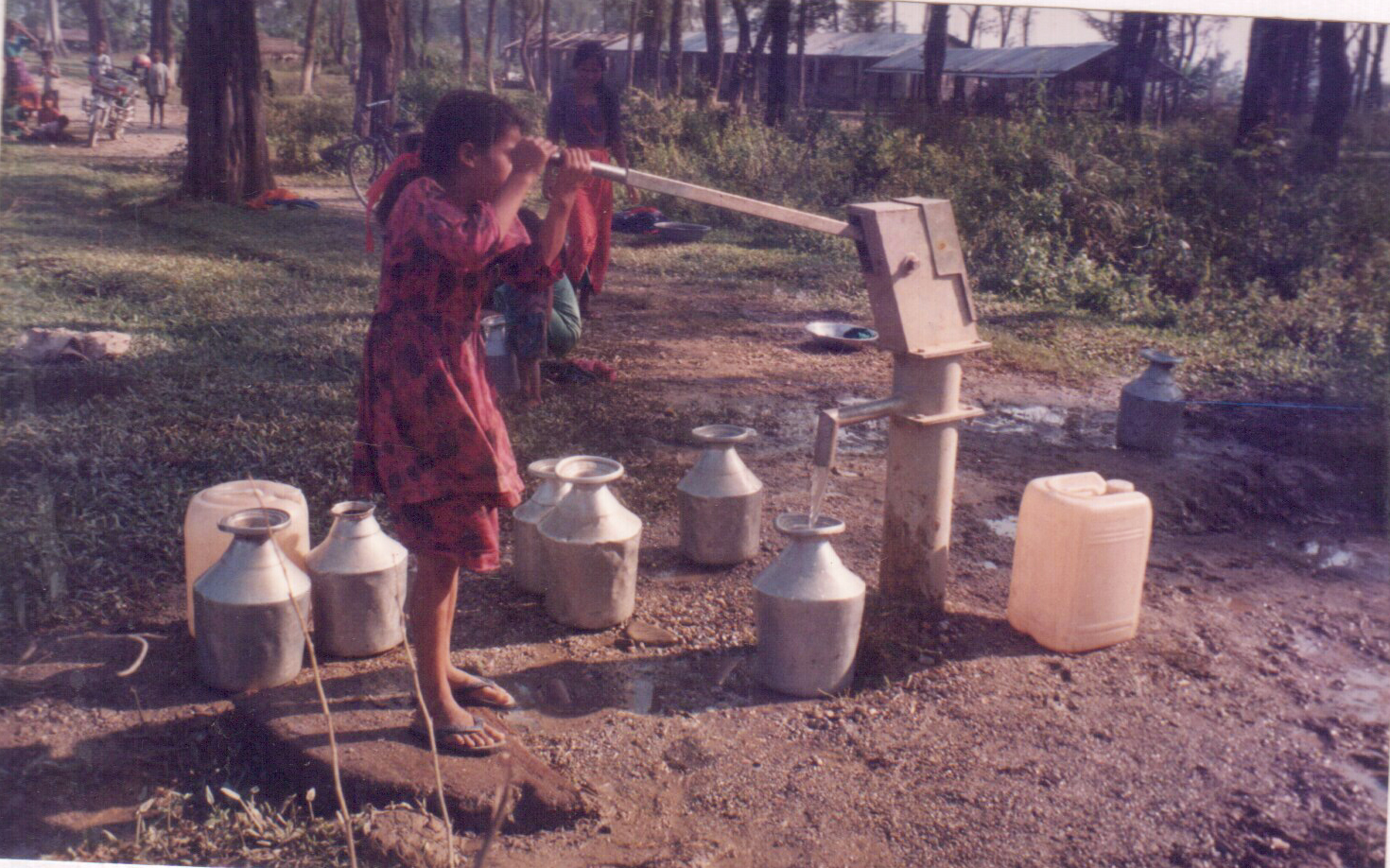
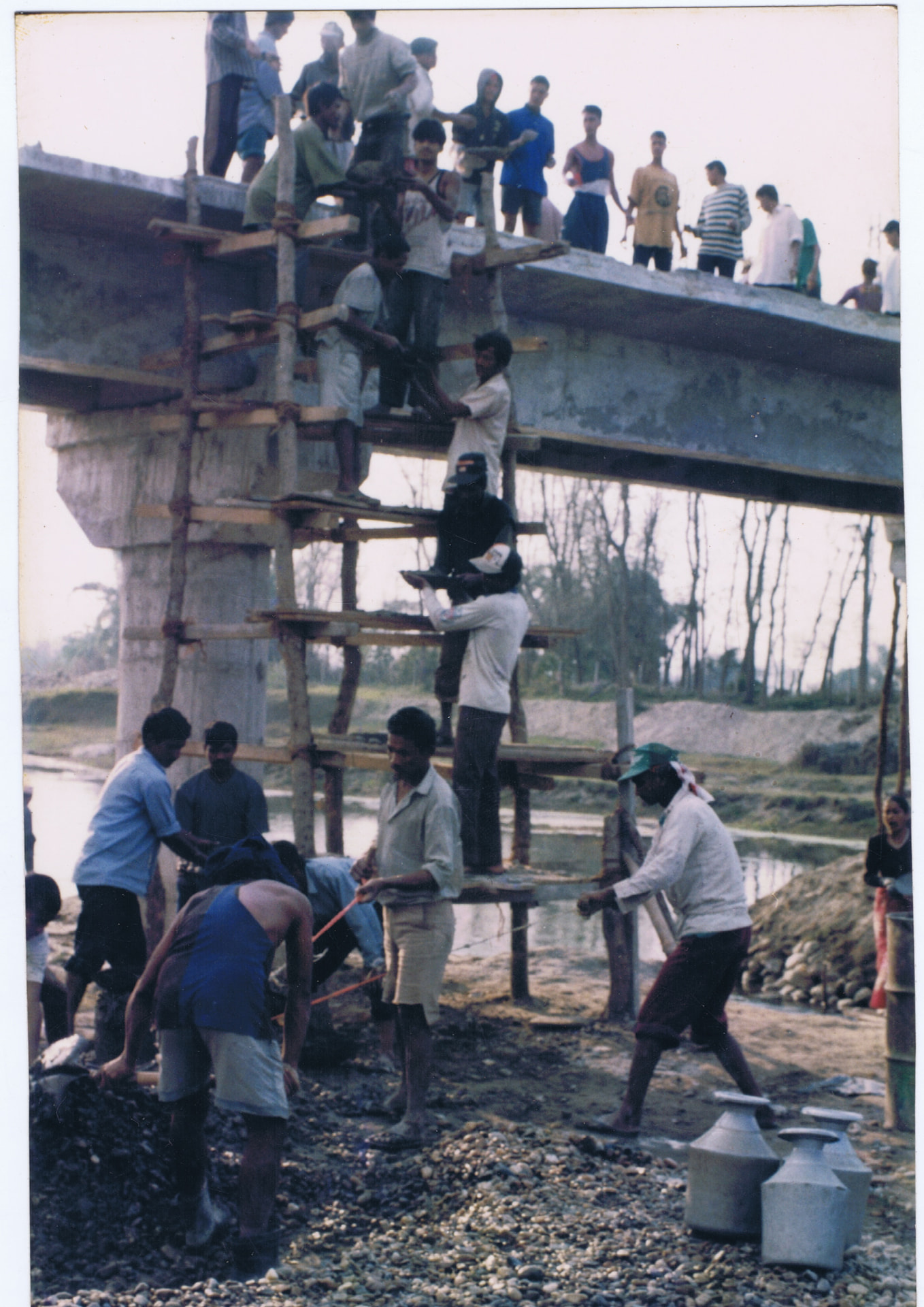
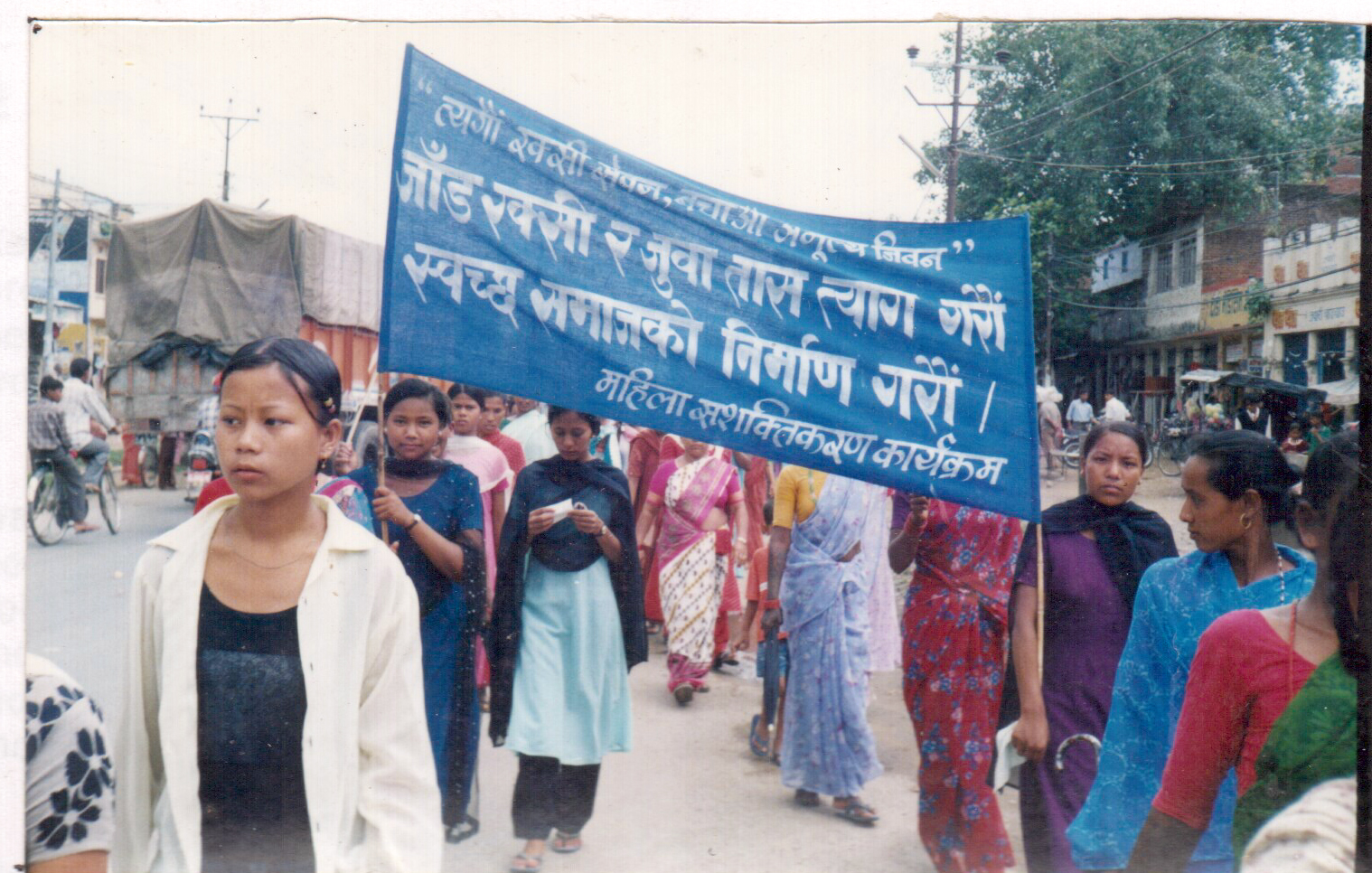
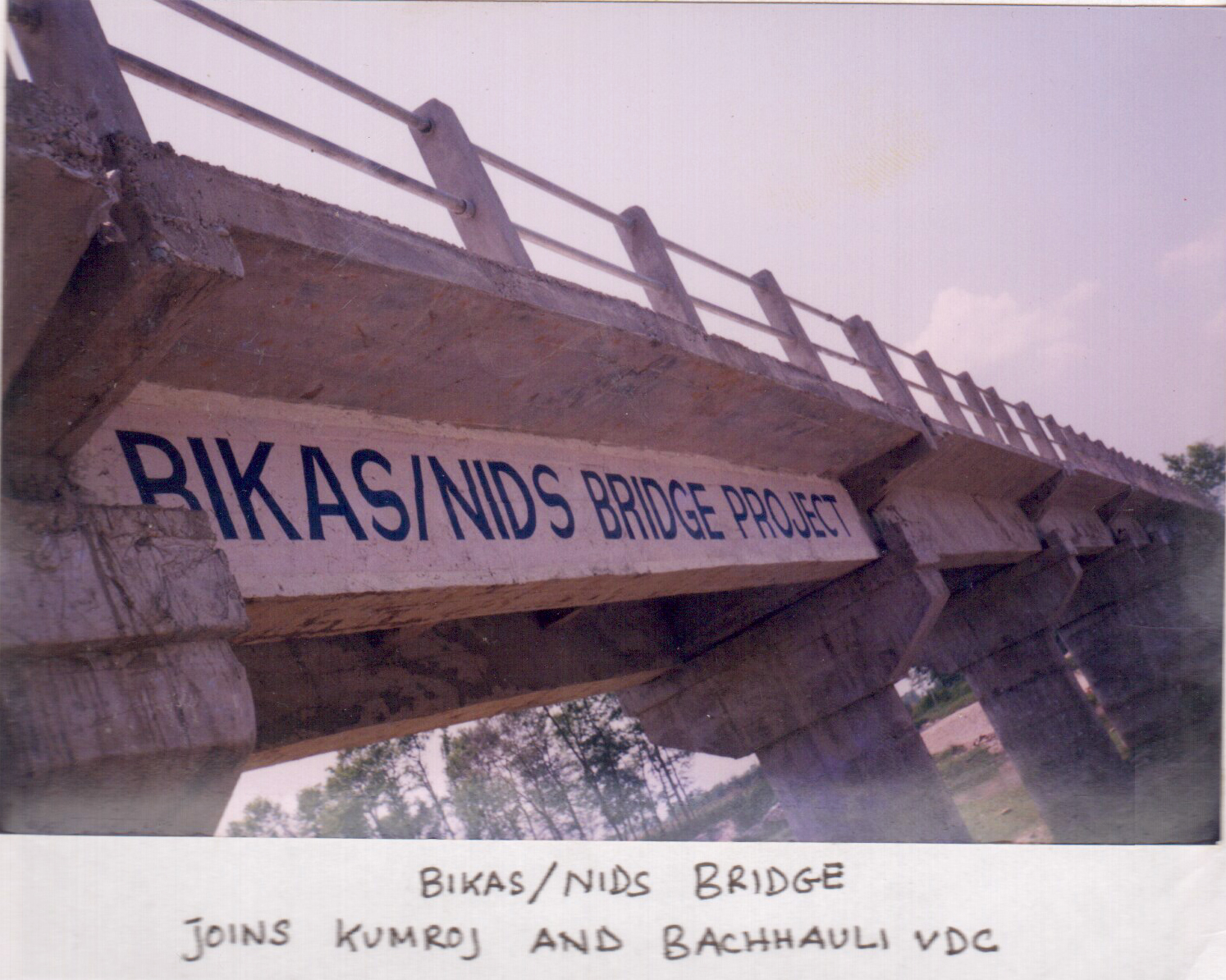
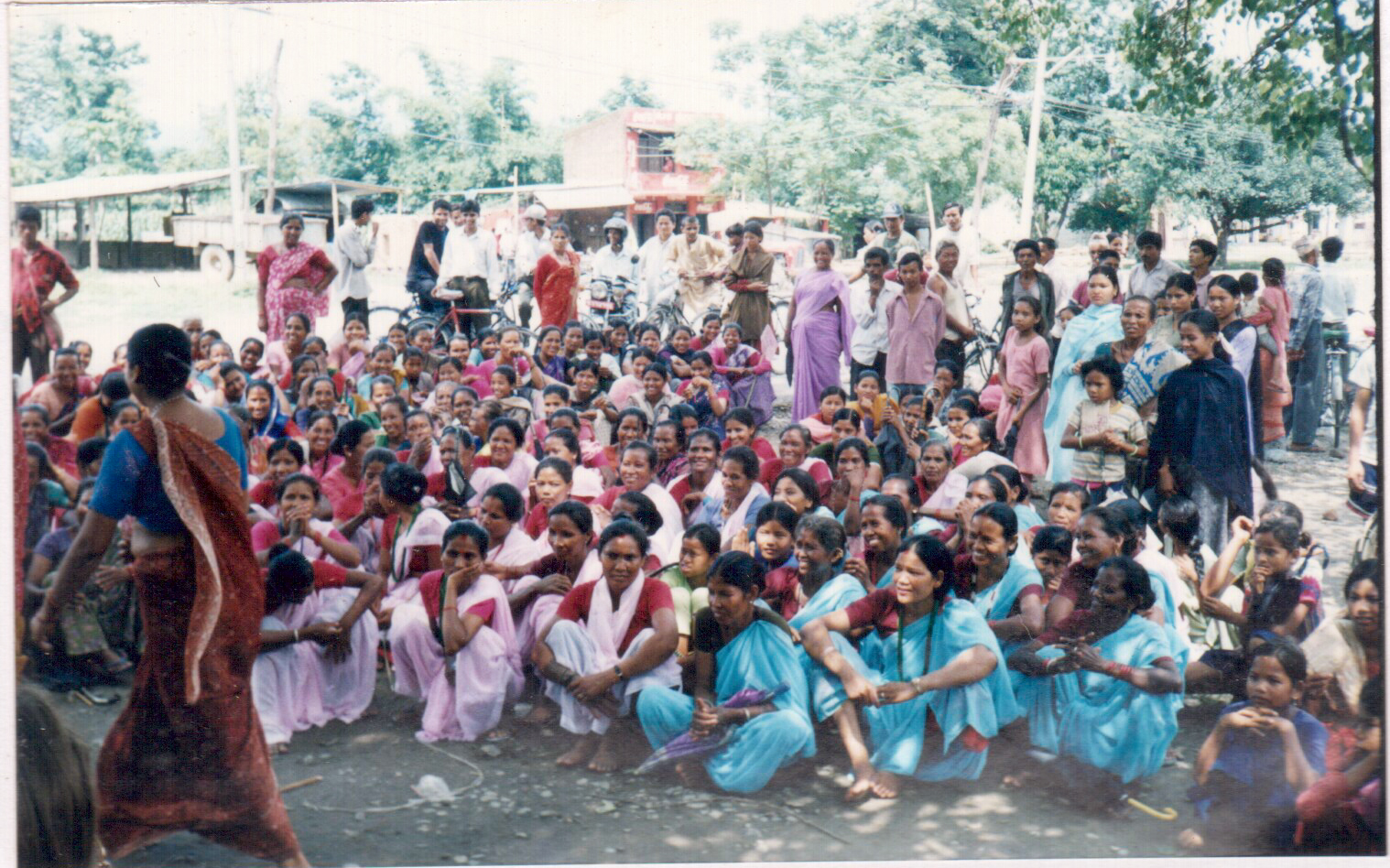
From the NIDS archive
Original photographs from decades of education, advocacy, clean water, and community-led development.
What we do
Select an area to see how education, livelihoods, rights, health, and nature reinforce one another.
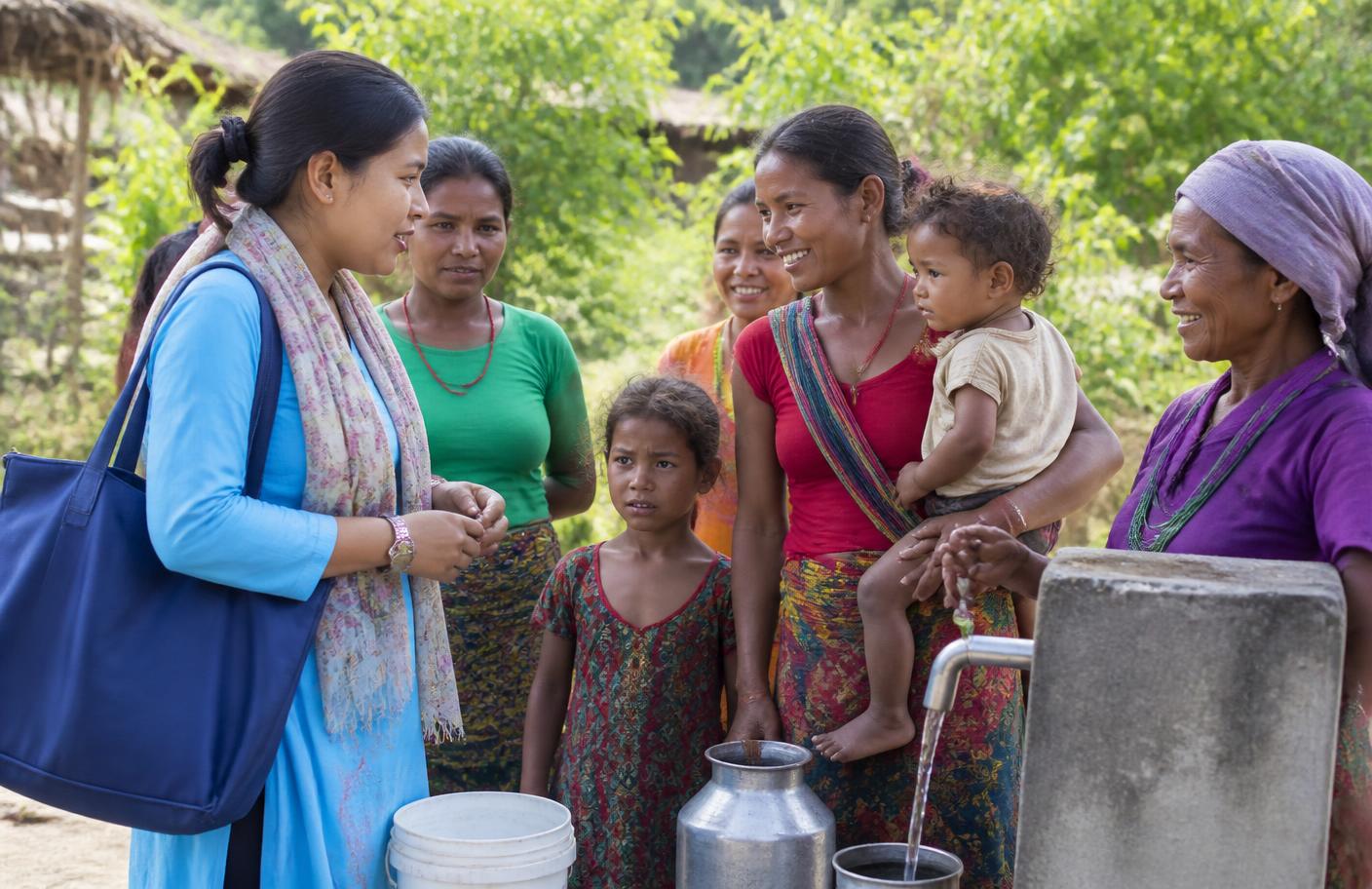
Literacy that opens doors
Continuous non-formal education since 1994, expanding into post-literacy, life skills, and civic education for women across the Terai.
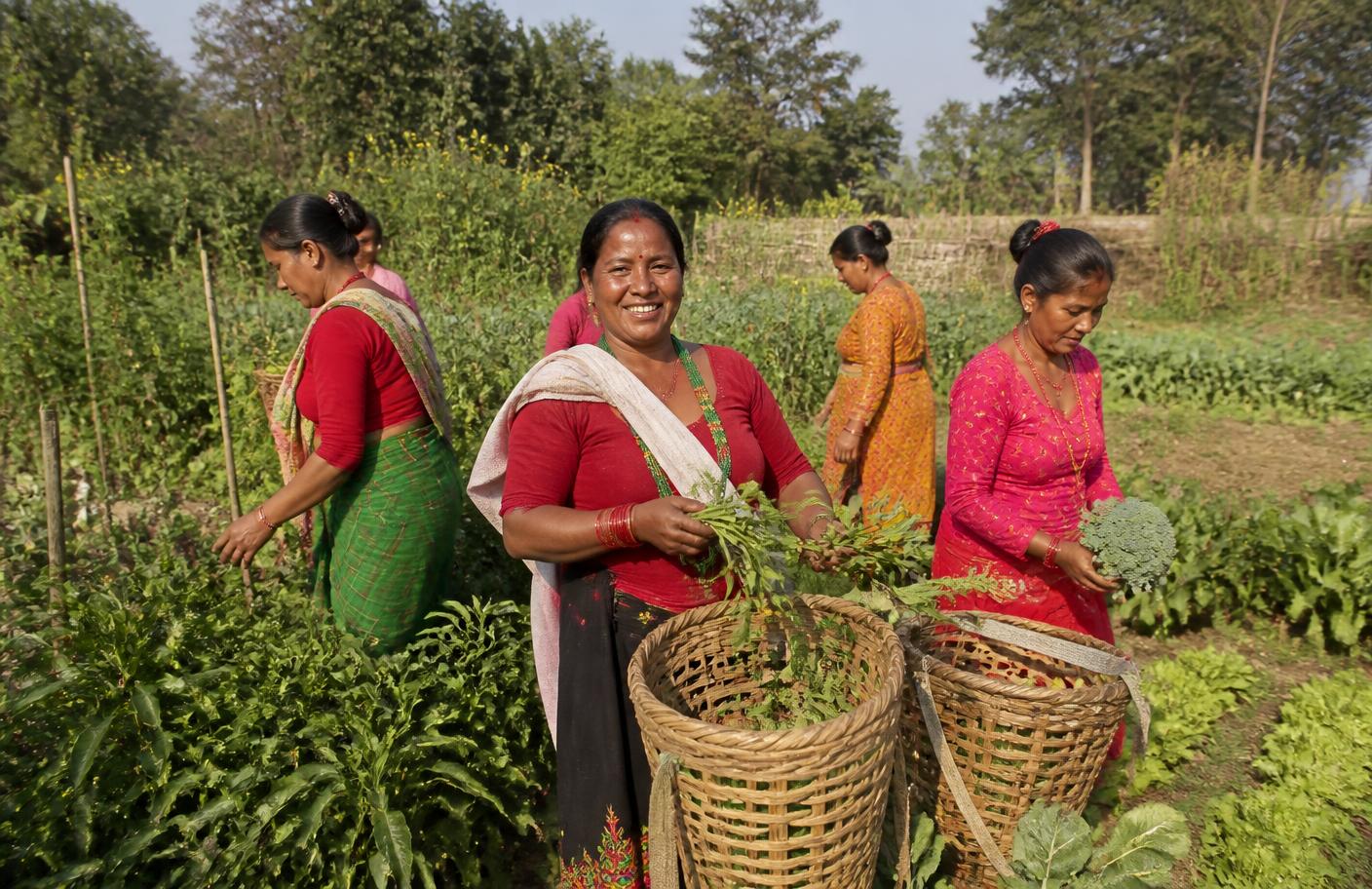
Literacy planted the first seed. Collective enterprise helped communities grow their own future.
Community-led livelihoods
Leadership
The General Assembly sets direction, the Board of Directors provides strategic oversight, and the Secretariat turns decisions into action.
Board Chairperson
Shiva Narayan Chaudhary
Providing strategic oversight through the Board of Directors.
Secretariat team
Executive Director
PhD in Psychology
Partners & networks

The road ahead
NIDS is deepening local finance, enterprise, advocacy, learning, and sustainable agriculture across the Terai.
Expand locally governed micro-credit throughout the rural Terai.
Grow collective organic farming and entrepreneurship training.
Continue advancing Indigenous land and resource rights.
Open more opportunities for economically disadvantaged students.
Connect and mobilize Tharu young professionals.
Scale sustainable organic farming and market access.
From one literacy class in Chitwan to integrated community development across 22 districts.